SOLERA GUIDE
Where to Buy Rare Bourbon Bottles
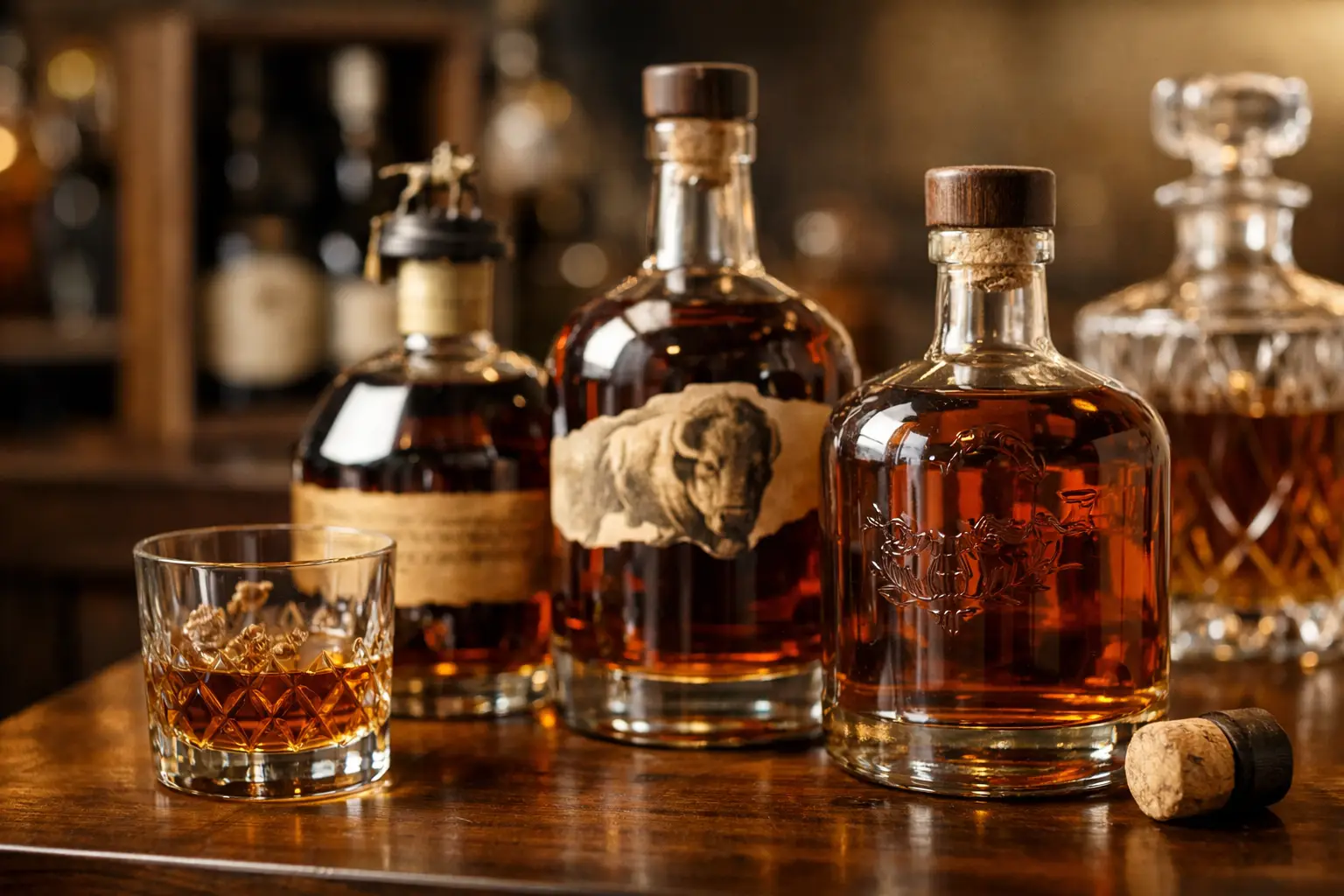
Buy rare bourbon bottles with more confidence by focusing on stock ownership, provenance, storage, and fast local fulfillment.
A rare bourbon is only as compelling as the chain of custody behind it. For buyers who want to buy rare bourbon bottles, the real question is not just which label to choose, but whether the bottle is physically in stock, properly stored, and supported by clear provenance before payment is made.
That distinction matters more at the high end. Collector bottles, limited releases, discontinued expressions, and age-stated bourbons carry value far beyond their original shelf price. Small gaps in storage history, fulfillment timing, or seller accountability can turn a strong purchase into an expensive uncertainty. Serious buyers tend to look past the headline name and examine how the bottle is held, handled, and delivered.
How to buy rare bourbon bottles with less risk
The safest way to approach the category is to treat rare bourbon as a controlled-goods purchase, not a casual marketplace transaction. A merchant that owns inventory outright can usually provide a clearer answer on availability, bottle condition, and dispatch timing than a broker or listing platform. That is particularly relevant when the bottle is intended for collecting, gifting, hospitality service, or resale.
Ownership of stock changes the buying experience in practical ways. It reduces the chance of paying for a bottle that has to be sourced after the order is placed. It also gives the merchant direct responsibility for storage standards and condition checks. For premium bourbon, that level of control is not a minor operational detail. It is often the difference between a smooth transaction and a delayed, unclear one.
Buyers should also separate rarity from speculation. Some bottles are rare because of genuinely limited production, market age, or discontinuation. Others are simply hard to find at a given moment. The purchase decision should reflect your goal. A collector building depth in American whiskey may prioritize release significance and provenance. A hotel or restaurant buyer may care more about immediate availability, presentation, and dependable repeat procurement when possible.
What matters before you buy rare bourbon bottles
At this end of the market, provenance is not a slogan. It is the framework that supports confidence in the bottle. Buyers should want direct answers to a few straightforward questions: Is the bottle in stock now? Has it been stored professionally? Is the merchant selling its own inventory? Can the bottle be fulfilled within a defined timeframe?
Condition is part of provenance. Labels, seals, fill level, packaging, and any signs of damage should be reviewed carefully, especially for older or collector-grade releases. A premium merchant should be able to assess those details because the bottle is physically on hand. If condition cannot be described with confidence, that is usually a signal that the seller does not have enough control over the item.
Storage is another point buyers sometimes underestimate. Bourbon is more stable than wine in many respects, but that does not mean storage is irrelevant. Heat exposure, poor handling, and long periods in uncontrolled environments can affect both the liquid and the packaging. For collectible bottles, packaging integrity can materially influence value. Professional storage protects not only the whiskey but also the bottle's resale and gifting appeal.
Pricing deserves a disciplined view as well. Rare bourbon commands a premium, but premium pricing should be supported by stock certainty, provenance, and service reliability. The cheapest available offer is often not the most economical purchase if it introduces risk around authenticity, cancellation, or condition issues. For trade buyers, that risk can cascade into service disruption, customer dissatisfaction, or replacement costs.
Merchant stock versus marketplace listings
This is where many purchases diverge. A marketplace may show a wide range of rare bourbon labels, but that breadth can mask uncertainty. Some listings represent bottles not yet secured, bottles held by third parties, or stock that cannot be verified in real time. That model can work for low-risk categories, but it is less convincing when the purchase is expensive, time-sensitive, or condition-sensitive.
An inventory-based merchant offers a narrower but more controlled proposition. The bottle is stocked, stored, and managed within one accountable operation. That improves visibility on fulfillment, reduces handoff risk, and gives the buyer a clearer path from payment to delivery or pickup. For premium spirits, those basics are not administrative conveniences. They are part of the product itself.
This is especially relevant in Hong Kong, where many buyers expect speed as well as authenticity. Same-day pickup or next-day delivery is only credible when inventory is actually owned and locally held. For a last-minute collector gift, a client-facing hospitality requirement, or a time-bound special order, stock certainty has immediate commercial value.
Buying for collecting, gifting, or service
The right purchase process depends on why you are buying. Collectors usually want completeness of information. They care about exact release identity, packaging, bottle condition, and how the bottle fits within a broader collection. A merchant serving this buyer should be able to support that decision with specifics, not general assurances.
Gift buyers tend to focus on confidence and presentation. They may know the recipient values bourbon but not know which release carries the strongest significance. In that case, a reliable merchant is useful not only for access to the bottle but also for reducing decision friction. Immediate local availability, secure handling, and dependable delivery matter as much as the label itself.
Hospitality and trade buyers work from a different checklist. Their concern is operational continuity. If a premium bottle is intended for a VIP guest, a back-bar statement, or a resale environment, the buyer needs confirmation that the product is on hand and can move quickly. Payment flexibility can matter here too, particularly for established trade relationships managing procurement across multiple categories.
How to assess a rare bourbon offer
A good offer is usually transparent rather than theatrical. It tells you what the bottle is, whether it is in stock, and how quickly it can be fulfilled. It should also give a realistic sense of condition and packaging. If those details are hard to obtain before payment, caution is warranted.
It also helps to look at the seller's broader operating model. A merchant focused on premium beverage handling will usually have stronger discipline around storage, inventory accuracy, and bottle care than a general reseller. That matters because rare bourbon purchases often fail not on product desirability, but on execution. Delays, substitutions, unclear provenance, and poor handling are what erode trust.
For buyers comparing multiple sources, the useful question is not simply who has the bottle. It is who can take responsibility for the bottle from storage to handover. That is the standard that better aligns with collector-grade and high-value spirit buying.
When speed should influence the decision
Speed is not always the main factor, but sometimes it should be. If you need a bottle for an event, a private client, a corporate gift, or a service program, fulfillment timing becomes part of the value proposition. Fast local delivery only works when the merchant has operational control, and operational control begins with real stock.
That is why serious buyers often prefer merchants that can confirm exact availability and dispatch windows upfront. It reduces uncertainty, shortens the buying cycle, and avoids the common problem of attractive listings tied to slow or fragile sourcing chains. In premium categories, confidence has a practical payoff.
For buyers in Hong Kong seeking collector-grade bourbon with immediate local availability, Solera's inventory-led model reflects that standard well: stocked bottles, controlled storage, and fulfillment clarity rather than marketplace ambiguity.
Rare bourbon buying is best approached with the same standards you would apply to any high-value asset - verify stock, examine provenance, and choose a merchant whose operations are built to support the bottle after the sale as well as before it.
Related Solera links: Pappy Van Winkle 20 Year NV 750mL · Pappy Van Winkle 15 Year 2012 750mL · Pappy Van Winkle 15 Year 2016 750mL · Pappy Van Winkle 20 Year 2011 750mL · Pappy Van Winkle 20 Year 2013 750mL
Need help choosing the right bottle?
Solera can help you choose from current Hong Kong stock with practical pickup, delivery and bottle-specific advice.

 and then Add to Home Screen.
