SOLERA GUIDE
Could Bourbon Be Hong Kong’s Next Spirits Trend?
Bourbon is richer, broader and more versatile than its old reputation suggests. The question is not whether it replaces Scotch—it is whether Hong Kong drinkers are ready to give it a fair chance.
27/07/2026 · The Solera Team
For many Hong Kong drinkers, bourbon still comes with a shortcut: too strong, too sweet or too cheap to take seriously. None of those ideas holds up once you look beyond a narrow set of familiar labels.
Bourbon is not here to replace Scotch, Cognac or Japanese whisky. It offers another way into brown spirits: generous fruit, toasted oak, spice and texture, with enough range for a first highball, a classic cocktail, a food pairing or a serious single-barrel bottle.
Bourbon is not one flavour
American bourbon must be made from a mash containing at least 51% corn and matured in new charred oak. Those two rules explain a great deal, but they do not make every bourbon taste the same.
The remaining grain recipe matters. More rye can bring pepper, dried herbs and a firmer edge. Wheat often gives a rounder, softer profile. Long ageing can add tobacco, roasted nuts and deep oak. A single barrel can place one particular cask at the centre of the experience.
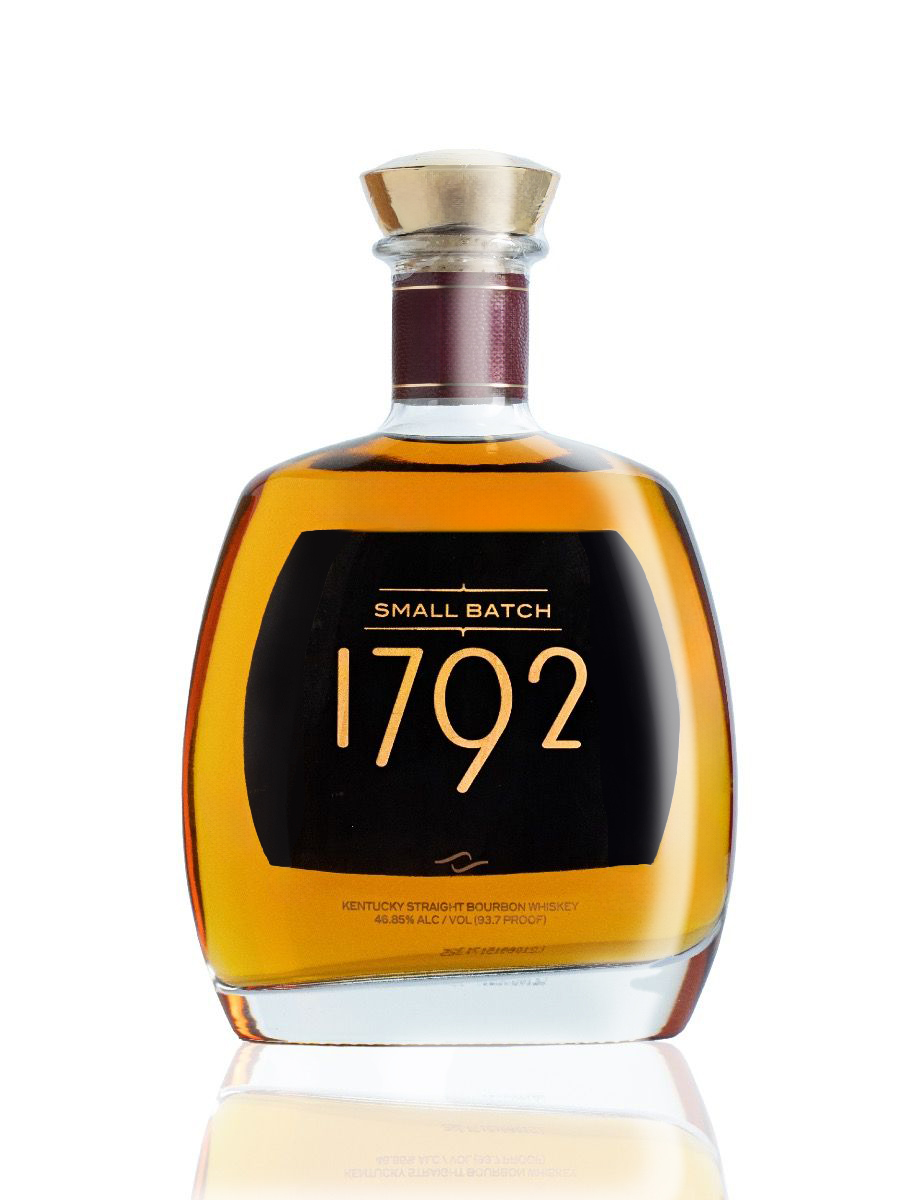
That is why a Buffalo Trace, 1792 Small Batch, Russell’s Reserve 10 Year and a mature single barrel can feel like different conversations, even though each belongs to the same family.
Sweet is not the same as sugary
Bourbon often shows vanilla, caramel, maple, orange peel, brown sugar or baking spice. Those are tasting notes shaped by corn, fermentation and the new charred oak barrel. They describe aroma and flavour; they do not mean the whisky drinks like a syrupy dessert.
The new barrel is important. Charred oak gives bourbon much of its vanilla, toast and caramel character, while the grain recipe keeps the profile grounded. In a balanced bottle, the sweetness is checked by spice, oak, fruit or a dry finish.
For a drinker who normally reaches for sherry-led Scotch or mature Cognac, that balance is the point. Bourbon can be generous without being simple, and rich without becoming heavy.
It does not have to feel aggressive
There are high-proof bourbons, and they deserve respect. But bourbon begins at 40% ABV, the same starting point as many familiar whiskies. A well-chosen standard-strength bottle can be approachable neat, over one large cube, with a splash of water or in a long drink.
Serving style changes the experience. Ice opens a richer pour slowly. A little water can soften the grip of a higher-proof whiskey. In a highball, Old Fashioned or Whiskey Sour, bourbon contributes flavour and structure rather than disappearing behind sugar or citrus.
The right starting point is not the strongest bottle in the cabinet. It is a balanced one, served in a way that suits the drinker and enjoyed at a pace that keeps the flavour clear.
One bottle, more than one occasion
This versatility is bourbon’s strongest case for Hong Kong. A light pour can sit comfortably before dinner. A classic cocktail works at a bar or at home. A more concentrated single barrel belongs after a meal, with dark chocolate, roasted nuts or simply a quiet glass.
It also works with food more easily than many people expect. Char siu, grilled beef, smoked dishes and soy-led glazes can meet bourbon’s oak and caramel notes well. Citrus, ginger and bitters can pull out a fresher side in a cocktail. The category gives restaurants and home hosts room to experiment without turning every serve into a heavy, formal occasion.
Affordable does not mean cheap
Some excellent bourbons remain accessible because the category has scale and a long domestic market in the United States. That is a strength, not a warning sign. Good value gives a drinker room to learn the category rather than treating every bottle as a special-occasion purchase.
At the same time, bourbon has real depth at the top end: small batches, single barrels, mature releases and limited expressions reward attention to age, warehouse character and cask selection. A bottle such as Gentleman’s Cut Bourbon shows the contemporary side of the category, while older and rarer releases show how far its complexity can go.
Why Hong Kong is ready for a second look
Hong Kong already understands categories with range. Drinkers move comfortably from approachable Japanese whisky to aged Scotch, from a classic Champagne to a rare vintage. Bourbon deserves the same open-minded approach.
It is not a trend because a label says so. It becomes meaningful when more drinkers find the style that suits them: wheated and soft, high-rye and spicy, classic and oak-led, or a distinctive single barrel. The misconception falls away once the glass is judged on flavour rather than reputation.
For anyone curious about bourbon, start with one balanced bottle, try it in more than one serve and drink responsibly. The category has far more to offer than its old stereotypes suggest.
BOURBON AT SOLERA
Start with a bottle that suits your palate
Explore a broad bourbon selection, from approachable classics to rare single barrels and mature releases.
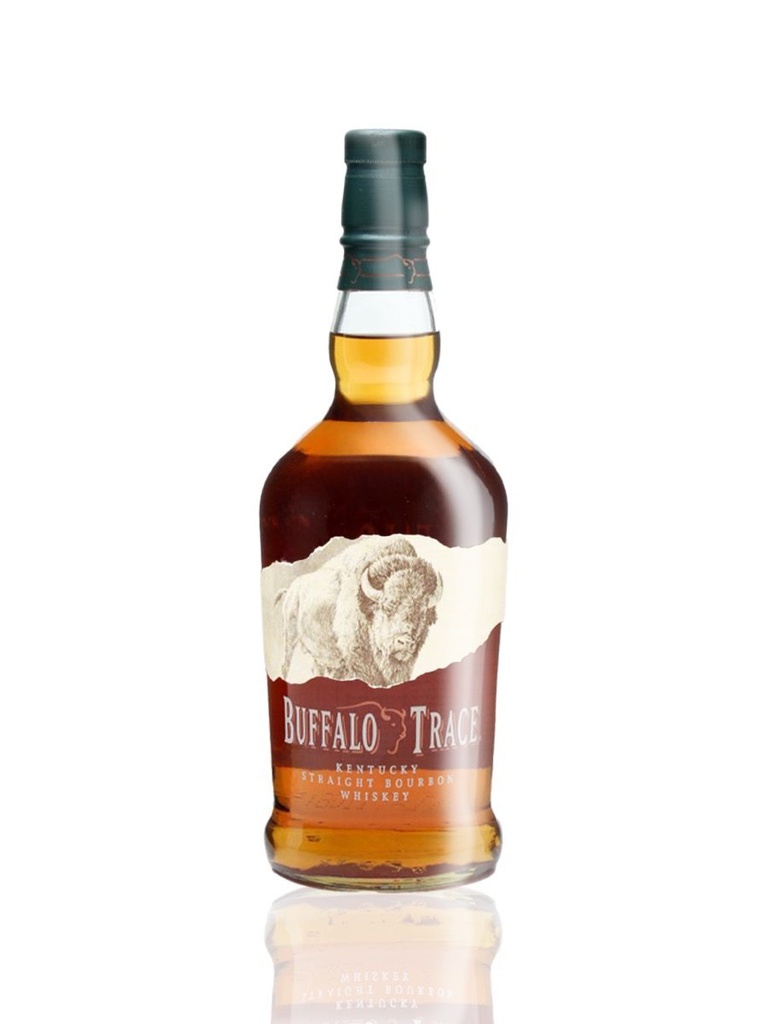 Buffalo Trace
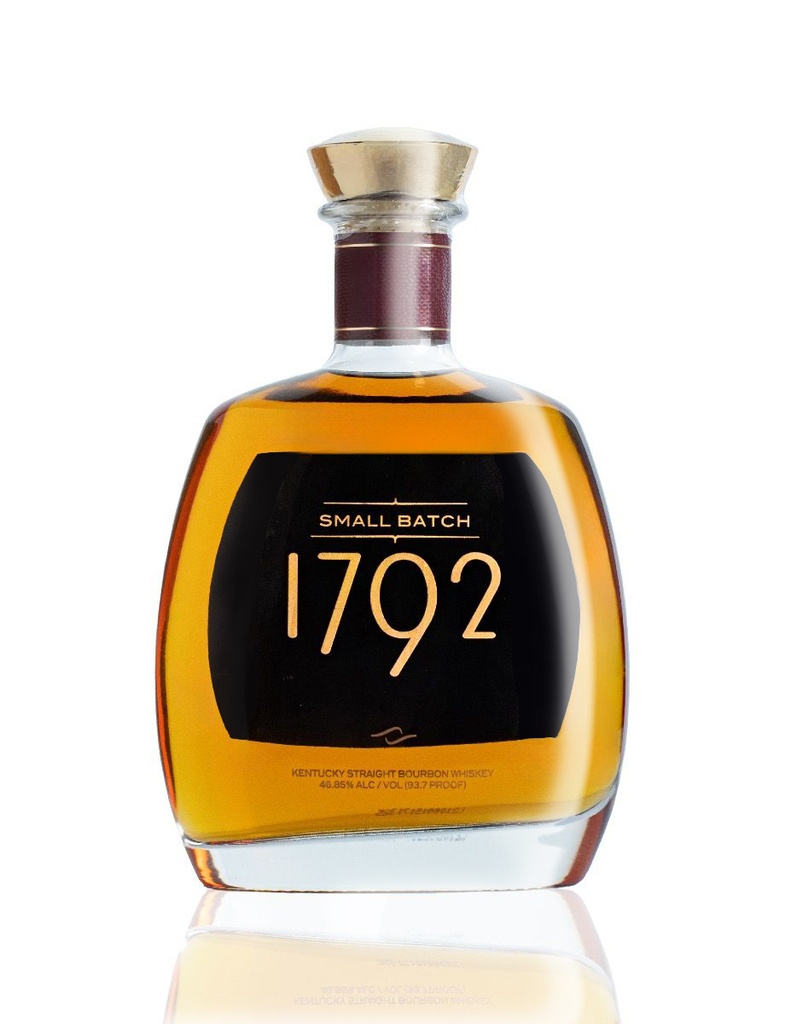 1792 Small Batch
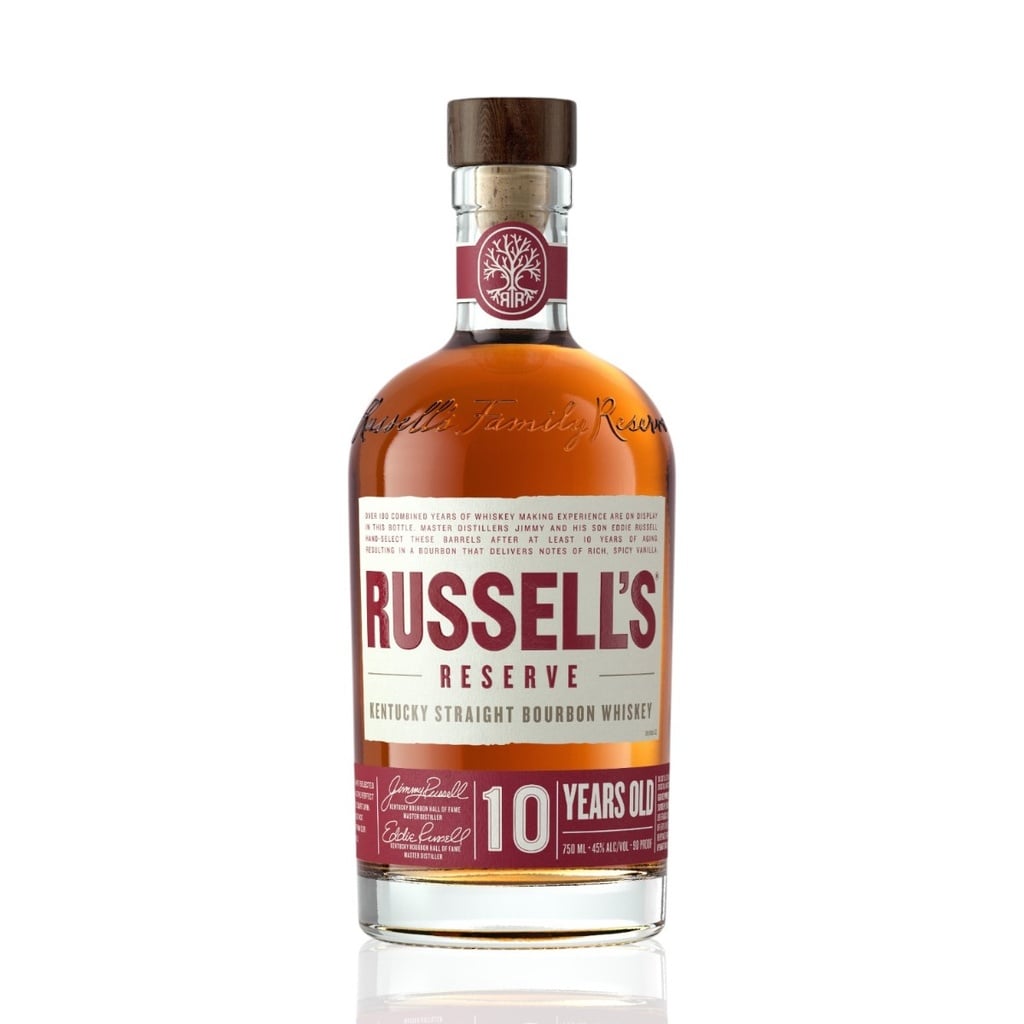 Russell’s Reserve 10 Year
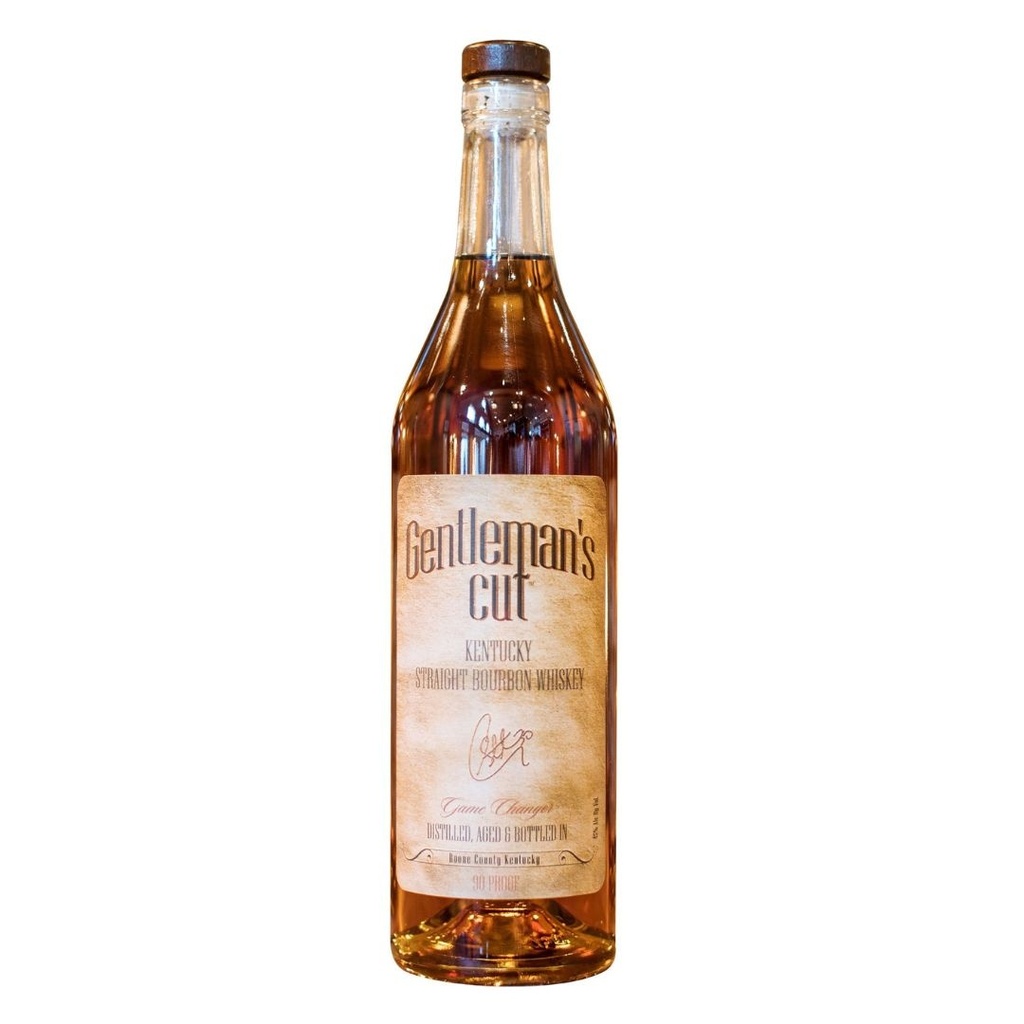 Gentleman’s Cut Bourbon
Find your bourbon style
Speak with The Solera Team about a bottle for sipping, cocktails, gifting or your collection. Please enjoy responsibly.

 and then Add to Home Screen.
